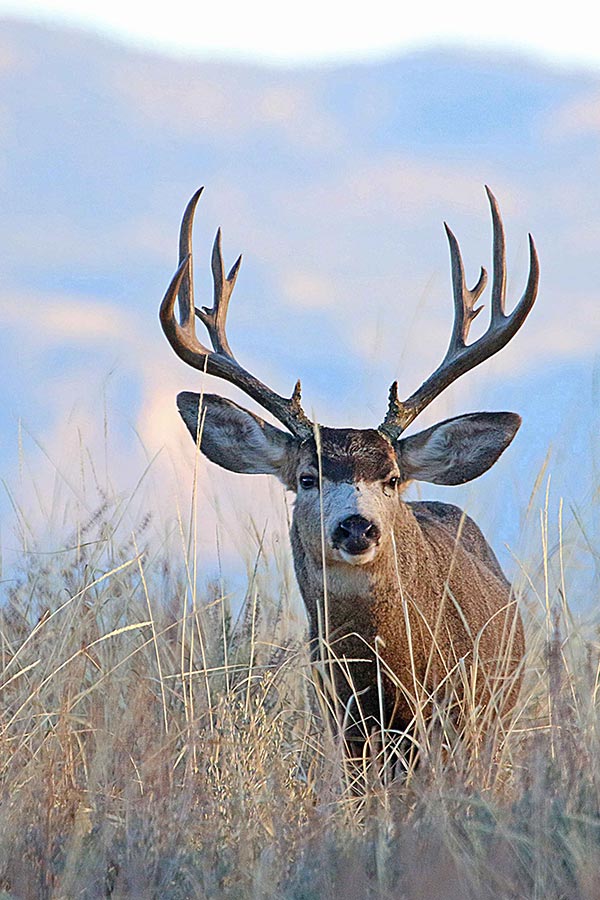
Recently there has been a conversation on Nextdoor about the problems caused by feeding deer. I have been asked to share this information on the blog. The below article comes from the Utah Division of Wildlife Resources and can be found at: https://wildlife.utah.gov/news/utah-wildlife-news/852-dont-feed-deer-other-wildlife-safety-health-concerns.html
I decided just to post the article here so that we can all review it. One of the wonderful things about living in Pine Valley is our wildlife. It's good to be aware of what benefits them and what doesn't.
Don't feed deer or other wildlife due to public safety concerns, health of animals
SALT LAKE CITY — Utah Division of Wildlife Resources officials are reminding the public not to feed deer or other wildlife after corn kernels were discovered in the gut of a deer that recently died of chronic wasting disease in the Moab area.
While it is not illegal to feed wildlife, there are several reasons that it is highly discouraged, including public safety concerns, the spread of chronic wasting disease among deer, elk and moose, and potential harm to wildlife from introducing foods not in their diets, particularly during winter months.
Chronic wasting disease concerns
In the past month, two mule deer have been found dead in the yards of Moab residents. Both of these deer tested positive for chronic wasting disease, a relatively rare, but fatal transmissible disease that affects the nervous systems of deer, elk and moose. It has been compared to bovine spongiform encephalopathy in cows, which is often called "Mad Cow Disease."
Infected animals develop brain lesions, become emaciated, appear listless and have droopy ears, may salivate excessively and eventually die. Infected animals ultimately lose their motor skills and eventually waste away and die from degeneration of the central nervous system. There are currently no vaccines or treatments for this disease.
CWD is highly contagious among deer. Infected animals can shed prions, which are protein-based infectious particles, in their urine, feces and saliva. Transmission may occur directly through contact with an infected animal or indirectly through environmental contamination (for example, a dead carcass can spread it to the soil). These prions are highly resistant to chemical and environmental degradation, and once the environment becomes contaminated with prions from shedding deer or infected carcasses, it can be a source of infection for years into the future.
Because the prions are shed in saliva, urine, and feces and can persist in the environment for a long time, CWD is easily transmitted in areas where a large number of deer congregate. Feeding deer can cause large groups of them to congregate into one area, increasing the chance of the disease spreading from one animal to the next.
"Because the disease is so contagious, it is essential that residents do not feed wildlife," DWR Regional Outreach Manager Aaron Bott said. "This includes putting out corn, hay, dog food or birdseed that deer might easily access. Although it may seem like a beneficial thing to do, feeding deer actually accelerates the spread of this disease. In the most recent CWD deer fatality in Moab, biologists found corn kernels in the deer's gut, suggesting it had been feeding on food provided by humans."
Fortunately, the disease is not widespread throughout Utah, and is primarily found in a few counties in central and eastern Utah. The DWR takes CWD very seriously and conducts extensive monitoring each year to stay on top of the disease and its prevalence in the state. The recently updated and approved Mule Deer Management Plan includes a section on CWD that addresses ways to slow the spread of the disease in Utah.
"We want to remain as proactive as possible to slow and prevent the spread of this disease," Bott said. "Currently, the La Sal Mountains have one of the highest concentrations of CWD in Utah, located right in Moab's backyard. This is why it is essential that the community of Moab help us in fighting the spread of this disease by not feeding the wildlife or causing them to congregate."
Studies have shown that humans, dogs, cats and other species are unlikely to contract CWD. However, the DWR recommends avoiding diseased deer. Any deer that looks sick (i.e., has trouble walking, drools, has drooping ears or looks emaciated) should be reported to the nearest DWR office. Learn more about CWD in Utah on the DWR website.
Other biological harm to wildlife
Introducing the wrong type of food to wildlife can harm them, especially during the winter. Deer are ruminants — mammals that acquire nutrients from plant-based food by fermenting it in a specialized stomach before digestion.
Deer have four-part stomachs, and each stomach chamber progressively breaks down woody, leafy and grassy foods into smaller particles. These stomach chambers contain microbes that are essential to digesting food. The type of microbes in deer digestive systems gradually change throughout the year and are very specific to the food that is available. During the winter, deer primarily feed on sagebrush and other woody plants. Suddenly changing a deer's diet can easily lead to the deer eating food that it cannot readily digest. In these situations, deer often die from starvation with full stomachs.
And when deer congregate to feed, it's every deer for itself. The larger deer often push the smaller deer — the fawns — aside, and they often end up receiving less food than they would have received if people had left them alone.
"This is why feeding deer and other wildlife is usually not a good idea," DWR Big Game Coordinator Covy Jones said. "Although it sounds like an act of kindness and may sometimes help some animals get through the cold months, it can create major problems."
The DWR does occasionally feed deer in specific emergency situations when supplemental feeding is beneficial. For example, deer herds in critical wintering areas that are caught in unusually deep and long-lasting snow might benefit from winter feeding.
When the DWR considers supplemental feeding, biologists carefully analyze whether the benefits will outweigh the disadvantages. If a decision is made by the agency to proceed, resources are allocated, special food mixtures are determined and the feeding takes place in an organized, targeted and strategic way that maximizes the benefits to the deer while minimizing the possible adverse consequences.
The DWR also feeds elk during the winter at the Hardware Ranch Wildlife Management Area to help prevent local agricultural damage from the large elk herds. However, the elk are routinely monitored and tested for disease, and the feed is specialized so as not to harm the animals.
Public safety concerns
Whenever someone feeds wildlife, those animals will frequently return to that area in search of food. These areas are often near highways and towns. Concentrating deer and other wildlife near inhabited areas can sometimes result in increased traffic accidents and other human/wildlife conflicts.
Attracting deer to your property through feeding can also attract predators, like cougars that follow deer herds. And while deer are not predators, they are still wild animals and can be aggressive.
"Help yourself and the wildlife stay safe and avoid conflicts by not feeding them," Jones said.
Find more tips on how to avoid conflicts with wildlife on the Wild Aware Utah website.